93624.4 Lesson 4. Coaching Leaders: Nurturing Skill and Ability in Others

I. INTRODUCTION

An important characteristic of Christian leadership is character, specifically, a character modeled on Christ’s servant heart. The key focus is on how Christ-centered servant leaders empower those they lead to fulfill their potential in God’s service. Therefore, one essential tool for the Christian leader is coaching, which we will explore.

  1. Myths about mentoring:
  1. “I don’t need a mentor.”
  2. “You need one mentor for life.”
  3. “Mentors have to be over 60 years old.”
  4. “A mentor has to be a perfect person.”
  5. “I could never be a mentor.”

II. DEFINITION OF TERMS

The concepts of mentoring and coaching are often used interchangeably, and the definitions can sometimes be unclear. In our study, we will treat them as two distinct aspects of the leadership training and development process, each with its own unique role.

  1. Mentor:
  1. Robert Clinton defines mentoring as “… a relational experience in which one person empowers another by sharing God-given resources.”
  2. Mentoring promotes personal growth and is influenced by context. For instance, a parent mentors their child to mature and develop the life skills required in their culture. In an organization, a mentor’s role is to assist individuals in their growth by cultivating the skills necessary for their roles on the team while fully embracing and embodying the organization’s core values.
  1. Coach:

  1. According to Bob Logan, “Coaching is the process of helping people develop their God-given potential.”
  2. A coach is a leader who leads from the sidelines. He focuses on serving and empowering others—unlocking their potential and helping them fulfill God’s purpose for their lives.
  3. All leaders are coaches. A coach is someone who leads the team. They train, encourage, and assist the team captain to help bring out the best in all their players. A coach can transform a group of people into a team and elevate a good team into a great team.
  4. Coaching focuses on developing the technical competence of an individual or group in a specific skill or area of expertise. Therefore, a sports team is coached to enhance both individual skills and capabilities, as well as to work together cohesively as a single unit, all with the aim of achieving success. These principles translate directly to organizational settings; only the skills and capabilities vary. When it comes to developing “softer” skills, coaching begins to merge with mentoring.
  5. Coaching is about more than just developing technical skills through one-on-one instruction. It involves enabling the person being coached to transform problems into learning opportunities and to cultivate skills for the future. This process empowers them to think critically and resolve issues independently. As a result, the person being coached will take greater ownership of the task at hand and feel that their contribution is valued and significant.

III. BIBLICAL BASIS FOR MENTORING AND COACHING

  1. Coaching, instructing, and mentoring relationships are prevalent throughout the scriptures. Here, we see one person nurturing and stirring the gifts of another, helping them to fulfill God’s purposes for their lives.
  1. Jethro and Moses (Exodus 18:1-27)
  2. Elijah and Elisha (1 Kings 19:19-21)
  3. Barnabas and Paul (Acts 4:36-37; 9:26-30; 11:22-30)
  4. Barnabas and John Mark (Acts 15:36-39)
  5. Priscilla and Aquila and Apollos (Acts 18:1-3, 24-28)
  6. Paul and Timothy (Acts 16:1-3; Philippians. 2:19-23; 2 Timothy. 2:1-4)
  7. In 2 Timothy 2, Paul instructs Timothy to mentor and disciple those within his circle of influence, doing so in a way that ensures this pattern continues in the lives of others.
  1. “You then, my son, be strong in the grace that is in Christ Jesus. And the things you have heard me say in the presence of many witnesses entrust to reliable men who will also be qualified to teach others” 2 Timothy 2:2.

IV. THE BENEFITS OF COACHING

  1. Builds relationships
  1. Communicates value to people (Listen)
  2. Builds ownership and independence
  3. Empowers self-discovery (‘aha moment’)
  4. Encourages confidence
  5. Grows people
  6. It is accessible – everyone can lead.
  7. Helps us learn from both failure and success.
  1. Coaching as a Tool to Improve Learning:

  1. Studies show that training requires support from coaching to have a truly beneficial effect. In this case, coaching involves applying what has been learned in everyday situations. It is a process that helps convert the training into behavior and embeds new behavior into regular practice.
  2. Studies indicate that training without this type of coaching tends to be only about 5% effective, while when paired with coaching, it can reach an effectiveness of up to 80%.
  3. Therefore, when someone you lead completes a training course, it is well worth your effort to arrange coaching sessions to help them apply the training effectively.
  4. For you, it will be extremely beneficial to find a trusted person with whom you can share what you are learning about leadership. This connection will enable you to discuss the application of these concepts and integrate them into your leadership approach and practice.

V. THE GROW COACHING MODEL FOR THE CHRISTIAN LEADER

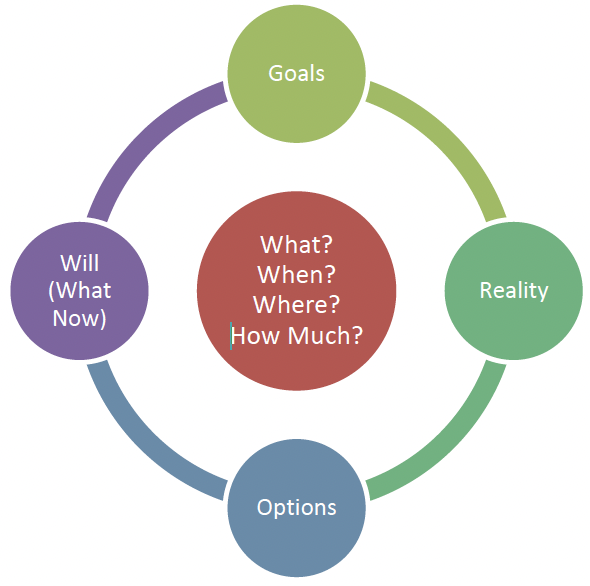
There are many coaching models. One widely used approach is GROW. It neither focuses on the coach nor primarily on the result, although that is in view. Instead, it focuses on the individual, the person being coached. This means it supports those in Christian leadership who seek to exhibit a Christ-centered servant leadership style, which emphasizes the needs of those they lead over their own position and status. Additionally, because it provides a general framework, the coach does not need to have a deep understanding of the area in which the person they are coaching operates.

  1. Note: Remember that the goal of coaching is not just to mentor an individual, but to impart coaching skills so they too can share these practices with others in the same way they were given to them. Let’s look briefly at the GROW model of coaching.

  1. Goals Step one: When sitting down with the person or people you are coaching, determine what the goal will be. What do they want? What needs the most work right now? What is the biggest obstacle they are facing now? What is the most critical issue they are struggling with?
  2. Reality Step two: After establishing the goal, we need to assess the person’s current situation in relation to the goal they want. What is the reality of the circumstance? What is currently happening? How does reality appear at this moment? How long have they been in this situation? What factors are preventing the achievement of this goal?
  3. Options Step three: Ask, “What could you do to achieve your goal?” Pose questions beginning with “suppose” or “if.” There likely won’t be a single solution that addresses every obstacle at once, so address the obstacles one at a time.
  4. Will (Way Forward) Step four: Considering what we have just discussed, what will the person or people do next? What are one, two, or three actions they will take? What timeline will they establish? Who needs to be involved in making this happen? What additional resources will they need?
Grow Model Application:

Now that we have examined the GROW model and understand the significance of coaching, we need to implement it. In pairs or groups of three, complete the following exercises.

Exercise 1:

A pastor approaches you who has been leading the same church for nearly three years. During that time, the church has remained consistent at around 21 adults, with a few families moving away and a couple of new families joining. The church has great dynamics; everyone is friends, and they engage in many activities together outside of church life.

The pastor truly desires to see his church grow and engage in evangelism, but he has struggled to motivate those involved to become genuinely interested in doing anything outside their usual activities.

The pastor genuinely wants to see the church leadership grow; however, no one in the church is willing to take on leadership roles.

What might be some initial questions you would ask in this situation?

Goal:

________________________________________________________________________

________________________________________________________________________

________________________________________________________________________

Reality:

________________________________________________________________________

________________________________________________________________________

________________________________________________________________________

Options:

________________________________________________________________________

________________________________________________________________________

________________________________________________________________________

Will:

________________________________________________________________________

________________________________________________________________________

________________________________________________________________________

VI. COACHING VERSUS TELLING

  1. When we ‘tell,’ we are downloading, whereas when we coach, we uplift.
  2. Below are a few examples of the difference between “telling” and “coaching,” based on Whitmore, John, Coaching for Performance: Growing People, Performance and Purpose, 1996 edition, p. 107.
  1. Coach/supervisor: “You are a terrible leader.”
    • This type of statement is a personal criticism that undermines confidence and will, without a doubt, negatively impact performance in the future.
  2. Coach/supervisor: “The event was a shambles.”
    • This comment targets the program rather than the individual, yet it still undermines self-confidence and offers no actionable information for the learner.
  3. Coach/supervisor: “The idea of the event was solid, but the way it was organized lacked energy and leadership.”
    • This statement avoids criticism while offering the learner some information. However, the information is insufficient and lacks ownership.
  4. Coach/supervisor: “How do you feel the event went?”
    • The learner/performer now has ownership but is likely to respond with a non-response such as “fine” or make a value judgment like “great,” rather than providing a more useful or reflective description.
  5. Coach/supervisor: “What was the main purpose of the event?” “To what extent did you/your team achieve that?” “What went well?” “What didn’t go so well?” “What did you learn?”
    • In response to a series of questions, the individual being coached can provide a detailed, non-judgmental, and non-defensive description of the program and the rationale behind it. This example enhances learning and boosts awareness and performance. The student or learner also takes ownership of their work and becomes more self-reliant. They assume greater responsibility for their actions, decisions, and performance.

VII. THE ROLE OF THE COACH

  1. The major role of the coach is to help someone move forward:
  1. to help them identify blockages that are hindering their performance
  2. to help them identify actions they can take
  3. to give them the tools and power to act
  4. to increase their confidence and decision-making ability

Exercise 2: Asking good questions is fundamental to effective coaching. Transforming statements into questions is a skill that we can cultivate through practice. Given below is an exercise to help you ask the right questions. Take a moment to write down the question that would be suitable for the statement given below:

StatementQuestion
“That’s a stupid idea” 
“You’re not following through” 
“It’s not as bad as you think” 
“If you don’t improve your program, you’ll lose people” 
“You’re neglecting your family” 
“You are not empowering your team” 

The coach’s goal is not to fix people’s problems or to swoop in at the last minute to save them from their situations; rather, it is to unlock the answers within each person and help them solve their problems on their own.

Exercise 3:

Pick an area in your life that you would like to receive coaching in, whom could you ask?

_____________________________________________________________________

_____________________________________________________________________

_____________________________________________________________________


This lesson was provided by Joshua Nations (JoshuaNations.org).
93624.3 Lesson 3. Modeling to Multiply Leaders

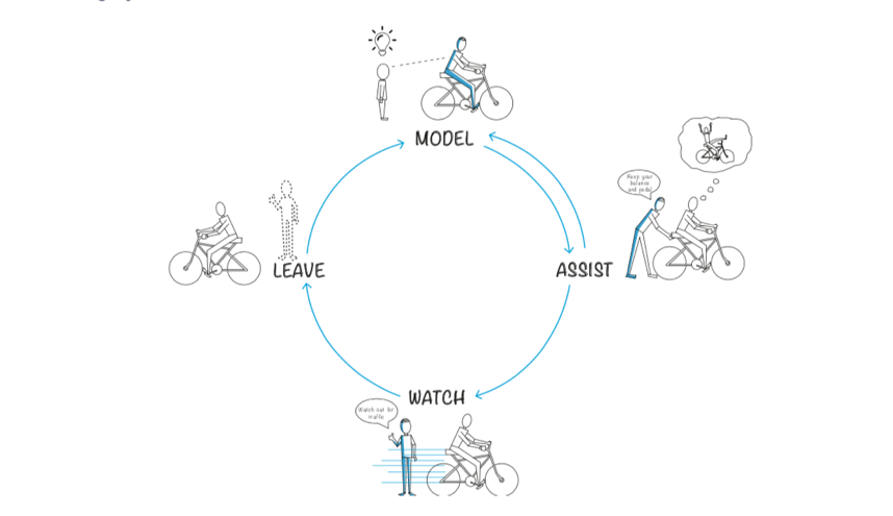
Once potential leaders are identified, it’s important to develop them through intentional training. The MAWL training cycle (Model, Assist, Watch, Leave) is a practical and effective approach to leadership development that Jesus Himself used in training His disciples.

I. MODEL: LEAD BY EXAMPLE

  1. Jesus Modeled Leadership: Throughout the Gospels, Jesus constantly modeled the life and ministry He wanted His disciples to replicate. He showed them how to pray (Luke 11:1-4), how to serve (John 13:1-17), how to proclaim the Kingdom (Matthew 4:17), and how to depend on the Holy Spirit (John 14:16-17).
  2. Live What You Teach: To develop leaders, start by modeling what you expect from them. Whether it’s how to lead a small group, pray for others, or share the Gospel, show them how it’s done. Be transparent in your own walk with Christ, allowing them to see both your strengths and your areas of growth.
  3. Intentional Observation: As you model, allow them to watch you closely. Just as Jesus’ disciples were with Him in His daily ministry, invite your future leaders to join you in practical ministry experiences—whether it’s leading Bible studies, prayer meetings, or evangelistic efforts.

II. ASSIST: GUIDE AND SUPPORT

  1. Jesus Assisted His Disciples: After modeling ministry, Jesus didn’t just send His disciples out alone. He gave them opportunities to serve under His guidance. For instance, in Luke 9:1-6, Jesus sent out the Twelve, giving them instructions and authority, but He was still present to support them.
  2. Provide Opportunities to Lead: As you develop leaders, allow them to assist you in ministry tasks. This could mean co-leading a Bible study, helping with prayer ministry, or practicing evangelism together. Assist them by offering guidance, answering questions, and providing feedback.
  3. Training Through Partnership: Ministry partnership is crucial in this phase. The person you’re training should feel like a partner in ministry rather than an observer. Walk alongside them as they take on increasing responsibility.
  4. Encourage Learning Through Action: People learn best by doing. Let them try new roles, even if they don’t get it right the first time. Provide constructive feedback, focusing on both what went well and what could be improved.

III. WATCH: STEP BACK AND OBSERVE

  1. Jesus Watched His Disciples: After modeling and assisting, Jesus stepped back to observe His disciples in action. When the disciples returned from their ministry assignments, Jesus listened to their reports and gave them feedback (Luke 10:17-20). This process allowed them to reflect on their experiences while receiving input from Jesus.
  2. Let Them Lead: Once they’ve gained confidence, step back and let them take the lead. Whether it’s leading a group, teaching a Bible study, or coordinating outreach, allow them to have control while you watch from the sidelines.
  3. Provide Constructive Feedback: After they’ve led, offer encouragement and constructive feedback. Focus on their strengths while gently addressing areas for growth. Be specific—this helps them know what they did well and what to work on next time.
  4. Encourage Reflection: Ask them to reflect on their leadership experience. What did they feel went well? What were the challenges? This self-reflection process helps them grow in their awareness and leadership abilities.

IV. LEAVE: EMPOWER AND RELEASE

  1. Jesus Released His Disciples: Jesus’ goal was not to keep His disciples dependent on Him forever but to empower and release them to carry out His mission. After His resurrection, Jesus gave them the Great Commission (Matthew 28:18-20) and sent them into the world to make disciples on their own.
  2. Empower Them to Lead: Once the leader is ready, release them to lead independently. This doesn’t mean abandoning them but trusting that they can lead without your direct involvement. Stay available for support, but empower them to take ownership of the ministry.
  3. Multiplication Mindset: Encourage them not only to lead but to start developing new leaders themselves. The goal of developing leaders is not just to add more leaders but to multiply leaders who will multiply others.
  4. Regular Check-Ins: After leaving, continue to check in with them periodically. Offer guidance, encouragement, and prayer as they continue in their leadership role. Ensure they feel supported even as they operate independently.

V. PRACTICAL STEPS FOR DEVELOPING LEADERS

  1. Identify Potential Leaders: Pray for God’s guidance in identifying people who are faithful, teachable, and ready to grow. Look for those who are already demonstrating a heart for others and are committed to following Jesus.
  2. Model Ministry: Lead by example, showing potential leaders how to lead a group, share the Gospel, and care for others. Let them see you in action, whether in Bible studies, evangelism, or pastoral care.
  3. Provide Opportunities to Assist: Invite potential leaders to assist you in ministry. Give them increasing responsibility, allowing them to take the lead in small ways before fully releasing them.
  4. Watch and Evaluate: Step back and let them lead while you watch. Afterward, provide constructive feedback, celebrating their successes and offering insights for improvement.
  5. Release and Empower: When they are ready, release them to lead on their own. Trust them with the responsibility and encourage them to start the process of developing new leaders.

This lesson was provided by Joshua Nations (JoshuaNations.org).

93624.2 Lesson 2. Selecting Leaders

I. INTRODUCTION: THE IMPORTANCE OF DEVELOPING LEADERS

  1. The Need for Multiplication through Leadership:
  1. One of the primary goals of disciple-making movements is to create a multiplying effect, where disciples become disciple-makers and leaders who develop other leaders. This multiplication is critical for the spread of the Gospel and the expansion of God’s Kingdom.
  2. Developing Leaders: Developing leaders is not just about teaching them skills; it’s about shaping their character, equipping them for ministry, and giving them opportunities to lead others in making disciples. Jesus spent His ministry not just teaching the crowds but intentionally investing in a few who would carry on His work.

II. LEADERSHIP IN THE EXAMPLE OF JESUS

  1. Jesus Chose Twelve to Lead: While Jesus taught many, He selected twelve apostles to be His closest disciples and future leaders. He intentionally spent more time with these men, modeling ministry and giving them increasing responsibility (Mark 3:13-14).
  2. Jesus Sent Them Out: Jesus didn’t keep His disciples as passive learners. He empowered them to go out, preach the Gospel, and perform miracles in His name (Luke 9:1-6). By giving them the authority and responsibility to act, He prepared them to continue His ministry.
  3. Jesus Invested in a Few for Maximum Impact: Jesus invested the majority of His time in a few key leaders—Peter, James, and John. This deeper investment in a smaller group ensured that these leaders would have the depth of knowledge, experience, and relationship with Him to lead others after His departure.

III. THE PROCESS OF SELECTING LEADERS

  1. Praying for God’s Guidance:
  1. Jesus Prayed Before Selecting Leaders: Before choosing His twelve apostles, Jesus spent the entire night in prayer (Luke 6:12-13). Developing leaders starts with prayer. We must ask God to guide us in identifying the right people who are called to leadership and have the potential to multiply.
  2. Pray for God’s Discernment: Seek God’s wisdom to discern who has the character, humility, and faithfulness necessary to lead others. The Bible emphasizes the importance of character in leadership (1 Timothy 3:1-7). You are not just looking for skills but for people whose lives reflect the heart of Christ.
  1. Looking for Faithful and Teachable Disciples:
  1. Faithfulness Over Talent: 2 Timothy 2:2 says, “And the things you have heard me say in the presence of many witnesses entrust to reliable people who will also be qualified to teach others.” Look for people who are reliable, faithful, and committed to following Jesus. They don’t have to be the most talented, but they should be committed to learning and growing.
  2. Teachable Hearts: Leaders are learners. Look for those who are teachable—people who are open to feedback, willing to admit mistakes, and eager to grow in their walk with Christ. Humility is a key characteristic of a teachable leader (Proverbs 11:2).
  1. Investing in “Persons of Peace”:
  1. Person of Peace: In Luke 10:5-7, Jesus instructs His disciples to look for a “person of peace” when entering a new town. This is someone who is receptive to the Gospel, welcoming, and influential in their community. A person of peace can often be a natural leader, someone through whom the Gospel can spread to their entire relational network.
  1. Choosing Potential Leaders: Look for individuals who have a natural influence over others and are already respected within their social circles. These people are often the ones who can multiply disciples by using their networks to spread the Gospel.

This lesson was provided by Joshua Nations (JoshuaNations.org).
93624.1 Lesson 1. Call to Give and Serve

I. UNDERSTANDING THE CALL

The call to give and serve is foundational to authentic discipleship and mirrors the very heart of Jesus Christ. Disciples of Christ are called not only to believe but to actively demonstrate their faith through generous giving and humble service, reflecting God’s unconditional love to the world around them.

  1. Sacrificial Giving: True generosity goes beyond mere charity—it is sacrificial. It means intentionally choosing to forego personal comfort to meet the needs of others, emulating Jesus who gave Himself entirely for us (2 Corinthians 8:9).
  2. Cheerful Giving: Giving cheerfully involves a heart attitude of joy and gratitude, recognizing that all we have is from God and gladly sharing our resources for His purposes (2 Corinthians 9:7).
  3. Investment Mindset: Viewing giving as investing in the Kingdom of God encourages disciples to sow generously into God’s work, expecting spiritual fruit and eternal rewards rather than immediate personal returns (Matthew 6:19-21).
  4. Humble Service: Serving humbly means prioritizing others above ourselves, willingly performing even menial tasks without seeking recognition or reward. It is a practical demonstration of Christ’s humility (Philippians 2:3-8).

II. BIBLICAL FOUNDATIONS

  1. Christ’s Servanthood: Jesus exemplified ultimate servanthood, notably by washing His disciples’ feet—an act reserved for the lowest servants—to teach them humility and service (John 13:3-17).
  2. Radical Generosity in the Early Church: The believers of the early church shared everything they had, holding their possessions lightly and meeting the needs of the community generously and joyfully (Acts 4:32-35).
  3. Stewardship Principles: Believers are stewards of God’s blessings. Faithful stewardship means using everything we have—time, resources, gifts—for the Kingdom, reflecting the Master’s heart and values (Matthew 25:14-30).

III. PRACTICAL WAYS TO GIVE AND SERVE

  1. Financial Stewardship: Intentionally budget resources for generosity, setting aside portions regularly to support local ministries, missions, and individuals in need (Proverbs 3:9-10).
  2. Investing Time: Prioritize intentional service opportunities, volunteering regularly within community projects, local churches, or individual acts of compassion, investing relationally and spiritually in others (Ephesians 5:15-16).
  3. Leveraging Talents and Gifts: Identify and actively utilize your unique talents and spiritual gifts—teaching, hospitality, craftsmanship, administration—to meet practical needs and enhance the ministry efforts of your community (1 Corinthians 12:4-11).

IV. CULTIVATING A GIVING AND SERVING CULTURE

  1. Leadership by Example: Leaders should consistently model a lifestyle of radical generosity and genuine service, demonstrating the attitudes and behaviors expected of others (1 Corinthians 11:1).
  2. Regular Teaching and Testimony: Incorporate regular teaching on generosity and service in disciple-making meetings, using powerful testimonies and practical examples to inspire action (Hebrews 13:16).
  3. Community Accountability: Foster an environment where disciples encourage and gently hold each other accountable in their commitments to give generously and serve sacrificially (Hebrews 10:24-25).

V. OVERCOMING BARRIERS TO GIVING AND SERVING

  1. Overcoming Fear and Scarcity Mindset: Teach biblical truths that God provides abundantly for those who trust Him, combating fear and encouraging bold, faith-filled generosity (Philippians 4:19).
  2. Challenging Consumerism: Regularly address the cultural temptation toward consumerism and self-centeredness, calling disciples to choose a Christ-like lifestyle of simplicity, generosity, and purposeful living (Luke 12:15; 1 Timothy 6:6-10).
  3. Developing Consistency: Encourage disciples to build sustainable giving and serving habits by starting small, growing steadily, and celebrating progress and faithfulness (Galatians 6:9).

VI. CASE EXAMPLE

In a South American community, a group of believers was challenged by Matthew 5:16 and the need to reach the lost in their region. In response to the Great Commission, a Brazilian pastor cast the vision to travel by boat on the Amazon River to reach tribal villages with the Gospel message. However, this pastor knew that the Gospel would not be readily received unless the people were first known and loved. The group of believers began collecting medical supplies, food, clothing, and other essential items that would be of great use to the tribal people. Also, the team sought Christian doctors and nurses and invited them to participate in the outreach. Filling the boat with supplies, the team of believers set off for two weeks to distribute the aid, pray for the sick, offer practical medical services, and serve the villages. The tribes were grateful but did not immediately embrace Christ. However, after continued love, service, and multiple visits to the tribes, a disciple-making movement is now taking place. Of course, each visit requires considerable preparation, financial resources, and time – all of which are made possible by the generosity of these believers in Brazil.

VII. CONCLUSION

A deep commitment to give and serve transforms hearts, families, and communities. Generosity and humble service are powerful testimonies of Christ’s love, breaking down barriers and opening hearts to the Gospel. Disciples who live generously and serve willingly are instrumental in fueling vibrant, transformative disciple-making movements that glorify God and draw countless others to Him (1 Peter 4:10-11; Matthew 20:28).


This lesson was provided by Joshua Nations (JoshuaNations.org).

93623.4 Lesson 4. The 3/3rds Group Format

I. INTRODUCTION TO 3-PART GROUPS

  1. The Promise of Jesus’ Presence: Jesus said, “Where two or three have gathered together in My name, I am there in their midst” (Matthew 18:20). This powerful promise assures us that even in small gatherings, Christ is present and working among us. The 3/3 Group Format is designed to help believers take full advantage of this promise by structuring their gatherings in a way that promotes spiritual growth, accountability, and multiplication.
  2. Purpose of 3/3 Groups: The 3/3 format divides the group’s time into three parts—Look Back, Look Up, and Look Forward—ensuring that key aspects of discipleship are covered: reflection on the past week, engagement with God’s Word, and setting goals for the future. This format encourages obedience, personal growth, and active disciple-making.
  3. Simplicity for Reproducibility: Like other simple church models, the 3/3 format is designed to be easily reproducible by any believer, whether they are new to faith or experienced leaders. This simplicity helps the model spread quickly, as it can be adapted in various contexts, from small homes to workplace gatherings or even online meetings.

II. LOOK BACK (1/3 OF YOUR TIME)

  1. Purpose: The “Look Back” segment focuses on building community, fostering accountability, and ensuring that spiritual growth is measured not only by what we learn but by how we obey. It’s a time to care for one another, celebrate victories, and reflect on how we have been following Jesus in the past week.
  2. Care and Prayer
  1. Starting with Gratitude: Begin by having each person share one thing they are thankful for from the past week. This fosters a spirit of gratitude and helps participants focus on God’s blessings before diving into any challenges or struggles.
  2. Example Questions:
    1. “What are you thankful for this week?”
    1. “Where have you seen God at work in your life?”
  3. Sharing Struggles: Next, ask participants to share any challenges or struggles they faced during the week, whether personal, spiritual, or relational. This builds vulnerability and trust within the group.
  4. Caring Through Prayer: After sharing, the person to their right prays for them based on what they shared. This encourages members to take responsibility for caring for one another and strengthens the bonds within the group.
  5. Extended Care: If someone is facing significant struggles that need more time and attention, make sure to stay after the formal group time to care for that person. This creates a culture where deep care for each other is a priority.
  1. Vision Casting
  1. Setting the Tone: Vision casting keeps the group focused on its mission and purpose: loving God, loving others, and making disciples who make disciples. This segment reminds everyone of the bigger picture and why the group exists.
  2. Worship and Song: One way to cast vision is through singing. Choose songs that focus on themes like God’s love, the Great Commission, and the call to disciple-making.
  3. Scripture for Vision: Alternatively, members can share Bible passages that reflect key themes—such as the Great Commandment (Matthew 22:37-40) or the Great Commission (Matthew 28:18-20)—reminding the group of their call to love, share, and multiply.
  1. Check-In and Accountability
  1. Reviewing Last Week’s Commitments: Accountability is vital for spiritual growth. Each participant should review the commitments they made during the previous week. Ask them to share how they did in three key areas:
    Step 1. Obedience: “How did you obey what God showed you last week?” Encourage participants to reflect on how they applied last week’s passage or lesson. Were there areas where they succeeded? Were there struggles or obstacles they faced in obeying God’s Word?
    Step 2. Training Others: “Who did you train in what you learned?” Multiplication is at the heart of the disciple-making process. Ask participants with whom they shared the lesson or principle.
    Step 3. Sharing the Gospel: “With whom did you share your story or God’s story?”
    Evangelism is a regular expectation. Ask if they shared their personal testimony or the Gospel with anyone in their relational circle. If they didn’t have the opportunity, encourage them to make it a priority in the coming week.
  2. Encouraging Obedience: If someone forgot or didn’t have the opportunity to follow through on their commitments, encourage them to add them to the current week. If someone simply refuses to obey something they clearly heard from God then it should be treated as a church discipline issue.

III. LOOK UP (1/3 OF YOUR TIME)

  1. Purpose: This section focuses on engaging with God’s Word. The goal is not just to gain knowledge but to discover truth together and apply it to life. The Word of God is central to our gatherings, and it must inform and shape how we live as disciples of Jesus.
  2. Pray for Understanding
  1. Short Opening Prayer: Start by asking God to speak through His Word. Prayer should be simple but sincere, example: “God, open our my hearts and minds to understand Your Word today.”
  1. Read and Discuss
  1. Reading the Passage: Select a passage for the week and have the group read it aloud (See Appendix “3/3 GROUPS SERIES” for passages). Depending on the length, you may want to break it into sections and assign different participants to read.
  2. First Round of Questions:
    • What did you like about this passage?
      This question opens up the discussion by allowing people to express what stands out to them. It’s non-threatening and encourages everyone to participate.
    • What did you find challenging or hard to understand?
      This helps surface difficult aspects of the text and encourages deeper discussion.
  3. Reread the Passage: After the initial discussion, read the passage again to ensure everyone is tracking. This repetition often leads to fresh insights or clarifications.
  1. Discovery Questions:
  1. What can we learn about people from this passage? – Encourage the group to reflect on human nature, struggles, and actions as revealed in the passage. Are there sins, behaviors, or attitudes that people in the passage exhibit, and what can we learn from them?
  2. What can we learn about God from this passage? – Focus on what the text teaches about God’s character, will, or actions. Is God showing love, justice, patience, or something else? How does this affect how we relate to Him?
  1. Facilitator Role: The facilitator should guide the discussion without teaching. Their role is to ask questions and help the group discover the truth of Scripture on their own. Encourage everyone to participate in answering the questions.

IV. LOOK FORWARD (1/3 OF YOUR TIME)

  1. Purpose: The “Look Forward” segment ensures that the study of God’s Word leads to action. It encourages participants to apply what they’ve learned, train others, and share the Gospel. This is where discipleship becomes practical and real.
  2. Obey, Train, Share
    • Time for Reflection: Start this section with five minutes of silent prayer. During this time, have each person ask the Holy Spirit to show them how to apply what they’ve learned. This is where obedience becomes personal.
  3. Answer Three Key Questions:
  1. How will I apply and obey this passage?
    • Each participant should write down a specific action they will take based on what they’ve learned. The commitment should be clear and measurable, such as “I will forgive my coworker this week” or “I will spend 10 minutes in prayer every morning.”
  2. Who will I train or share with about this passage?
    • Encourage each participant to identify someone they can share the lesson with or train in what they’ve learned. This could be a family member, friend, or coworker.
  3. Who does God want me to share my story or God’s story with this week?
    • Ask participants to commit to sharing their testimony or the Gospel with someone in their relational network. Encourage boldness and reliance on the Holy Spirit.

V. PRACTICE

  1. Role-Playing and Practice: Break into smaller groups of two or three and practice what participants have committed to do. For example, if someone committed to sharing the Gospel with a friend, have them role-play how that conversation might go. If someone committed to resist a specific temptation, have them practice what they will say or do in that moment.
    • Encourage Boldness: This time of practice helps participants gain confidence in their commitments, ensuring they are more likely to follow through during the week.

VI. PRAY FOR ONE ANOTHER

  1. Praying in Small Groups: Stay in your groups of two or three and pray specifically for the commitments each person made. Pray for strength, wisdom, and courage to obey what God has shown them. Ask God to prepare the hearts of those who will hear the Gospel or be trained during the week.
  2. Concluding Prayer: After individual prayers, come together as a group and close the meeting with a final prayer, asking for God’s continued guidance and presence.

VII. ENDING THE MEETING

  1. Share the Lord’s Supper: Share communion as a group, remembering the sacrifice of Christ and His call to follow Him.
  2. Eat a Meal Together: Many groups conclude their meetings with a shared meal. Eating together builds deeper relationships and allows for continued fellowship. This practice mirrors the early church’s gatherings, where they “broke bread in their homes and ate together with glad and sincere hearts” (Acts 2:46).

VIII. PRACTICAL EXERCISES FOR LEADING A 3/3 GROUP

  1. Facilitator Practice: Rotate group members into the role of facilitator, allowing each person to lead part of the meeting. This helps develop new leaders and ensures that the group remains reproducible.
  2. Debrief Sessions: After each meeting, take 10-15 minutes to debrief. Discuss what went well and what could be improved. This feedback process helps refine the group’s effectiveness and encourages personal growth.

NOTE – There is a suggested series of passages 3/3 Groups can study in the Appendix.


This lesson was provided by Joshua Nations (JoshuaNations.org).

93623.5 Lesson 5. Gathering as a Church

I. UNDERSTANDING THE GATHERING

The gathering of believers as a church is vital for sustaining and expanding disciple-making movements. Church gatherings serve as spaces for mutual encouragement, biblical teaching, worship, prayer, and equipping for mission. Whether held in formal buildings, homes, or other settings, these gatherings are central to the spiritual growth and maturity of disciples (Hebrews 10:24-25).

  1. Biblical Foundations
  1. The Early Church Model: The early believers regularly gathered in homes and public spaces, demonstrating key practices such as teaching, fellowship, breaking bread, prayer, and generous sharing (Acts 2:42-47).
  2. Unity and Community: Scripture emphasizes unity within church gatherings. Unity in the Spirit strengthens the body of Christ, enabling believers to effectively witness to the surrounding community (Ephesians 4:2-6).
  3. Equipping and Sending: Church gatherings equip believers for ministry, providing teaching and practical training to prepare disciples for their mission in the world (Ephesians 4:11-13).

II. ESSENTIAL ELEMENTS OF GATHERING

  1. Biblical Teaching: Regularly teach Scripture clearly and practically, encouraging obedience and life transformation (2 Timothy 3:16-17).
  2. Worship: Engage in authentic, heartfelt worship that glorifies God, encourages participants, and deepens spiritual intimacy (Colossians 3:16).
  3. Prayer and Intercession: Prioritize communal prayer, including intercession for personal, community, and global needs (1 Timothy 2:1-4).
  4. Fellowship and Communion: Facilitate genuine community through fellowship, meals, and observing the Lord’s Supper regularly to remember Christ’s sacrifice (1 Corinthians 11:23-26).
  5. Mutual Encouragement: Encourage open sharing of testimonies, prayer requests, and spiritual insights, building up one another in faith (Hebrews 10:24-25).

III. PRACTICAL STEPS FOR EFFECTIVE GATHERINGS

  1. Inclusive Participation: Encourage participation from all members, fostering an environment where everyone contributes their gifts and insights (1 Corinthians 14:26).
  2. Flexible and Reproducible Structures: Use simple and flexible formats easily replicated across various cultural and community contexts, facilitating rapid multiplication (Acts 14:23).
  3. Accountability and Discipleship: Integrate regular accountability in gatherings, enabling members to support each other in spiritual growth and mission (Galatians 6:1-2).

IV. CULTIVATING HEALTHY CHURCH GATHERINGS

  1. Leadership Development: Continuously identify and equip emerging leaders, empowering them to lead and facilitate gatherings confidently (2 Timothy 2:2).
  2. Missional Focus: Maintain a clear outward focus, regularly reminding and equipping disciples for evangelism, disciple-making, and community transformation (Matthew 28:19-20).
  3. Culturally Relevant Expression: Adapt expressions of worship, teaching styles, and community interactions to resonate with local cultural contexts while upholding biblical principles (1 Corinthians 9:19-23).

V. OVERCOMING CHALLENGES IN CHURCH GATHERINGS

  1. Addressing Conflict: Teach and model biblical conflict resolution, helping disciples address disagreements humbly and effectively, preserving unity (Matthew 18:15-17).
  2. Preventing Passivity: Proactively engage every member, encouraging active participation and shared responsibility, preventing passive spectatorship (Romans 12:4-8).
  3. Ensuring Sustainability: Regularly evaluate and adjust gatherings to ensure sustainability, reproducibility, and continued relevance to evolving community needs (Acts 15:36).

VI. CASE EXAMPLE

In Vietnam, Christians are often harassed or persecuted for their faith in Jesus. Gathering together can frequently become problematic. However, the meeting for worship, prayer, study, and outreach is a Biblical precedent. To obey Scripture, believers often must become creative and look for ways to avoid being conspicuous. One group of believers was able to secure permission at the factory where they were employed to meet in a boardroom. Their meetings took place once or twice a week, lasting one hour during their lunch break. Under the guise of a “book study club,” the group of believers was able to worship the Lord, study His word, and encourage one another. Over time, this small church began to have a strong and positive impact on other factory workers, and over time began adding to their “congregation.”

VII. CONCLUSION

Gathering as a church is vital for sustaining, equipping, and multiplying disciples. Healthy gatherings reflect biblical principles, encourage active participation, foster spiritual maturity, and keep a clear missional focus. Such gatherings effectively catalyze robust, sustainable disciple-making movements that glorify God and transform communities (Matthew 16:18).


This lesson was provided by Joshua Nations (JoshuaNations.org).

93623.8 Lesson 8. Prayer

I. INTRODUCTION: THE CENTRALITY OF PRAYER

  1. Why Prayer is Foundational:
  1. Prayer is the lifeblood of every disciple. It connects us to God, aligns us with His will, empowers our ministry, and opens the doors for transformation in the lives of others. Throughout Scripture, prayer is shown as the key to intimacy with God, the fuel for mission, and the power behind every spiritual breakthrough.
  2. Jesus Modeled a Life of Prayer: Jesus, our greatest example of disciple-making, prioritized prayer. He spent time in prayer before major decisions (Luke 6:12), after intense ministry (Mark 1:35), and during pivotal moments in His life (Matthew 26:36-44). Jesus taught His disciples to pray (Luke 11:1-4) and expected prayer to be the foundation of their lives and ministries.

II. THE POWER OF PRAYER IN DISCIPLE-MAKING MOVEMENTS

  1. Prayer Precedes Breakthrough: In DMM, prayer is often the first step in entering new areas, seeking divine guidance, and preparing hearts to receive the Gospel. Movements that grow rapidly and multiply are always rooted in a culture of deep, sustained prayer.
  2. Partnering with God in His Mission: Prayer aligns our hearts with God’s mission. As we pray, we partner with Him to bring His Kingdom to earth. Prayer is not just about asking for things; it is about listening, discerning God’s will, and acting in obedience to what He reveals.

III. THE BIBLICAL FOUNDATIONS OF PRAYER

  1. Jesus’ Teaching on Prayer:
  1. The Lord’s Prayer (Matthew 6:9-13): Jesus gave His disciples a model for prayer that touches on key areas: honoring God, seeking His will, asking for provision, confessing sins, and seeking protection from evil. This prayer guides believers in approaching God with both reverence and dependence.
  2. Persistent Prayer (Luke 18:1-8): Jesus taught the parable of the persistent widow to encourage His disciples to pray continually and not lose heart. Persistent prayer is essential in DMMs, where we often need to intercede for long periods before seeing breakthroughs in people’s lives or communities.
  1. The Apostles and Prayer:
  1. The Early Church’s Prayer Life: The early church was deeply committed to prayer. In Acts 2:42, it says they devoted themselves “to the apostles’ teaching and to fellowship, to the breaking of bread and to prayer.” Prayer was at the center of the church’s life, and it fueled their growth and mission.
  2. Praying for Boldness (Acts 4:23-31): When the early church faced opposition, they didn’t pray for safety; they prayed for boldness. In response, God shook the place where they were praying and filled them with the Holy Spirit. This empowered them to speak the word of God boldly. Boldness in prayer leads to boldness in mission.
  1. Paul’s Teachings on Prayer:
  1. Pray Without Ceasing (1 Thessalonians 5:17): Paul instructs believers to “pray without ceasing,” emphasizing that prayer is not a one-time event but a continual, ongoing conversation with God.
  2. Intercessory Prayer (Colossians 4:2-4): Paul urges believers to be devoted to prayer, to stay watchful, and to pray for open doors for the Gospel. Intercessory prayer for others—whether for individuals or for entire communities—is a powerful way to partner with God’s mission.

IV. TYPES OF PRAYER IN DISCIPLE’S LIFE

  1. Adoration and Worship
  1. Focusing on Who God Is: Before anything else, prayer should begin with adoration—acknowledging who God is and worshiping Him for His greatness, faithfulness, and love. This aligns our hearts with Him and reminds us of His sovereignty over our lives and mission.
  2. Practical Application: Start every prayer session by spending time in worship, whether through song, Scripture, or spoken words of praise. This sets the right tone and focuses the group on God’s power and goodness.
  1. Listening Prayer
  1. Hearing God’s Voice: Listening prayer is an important practice where we not only speak to God but also listen for His voice. This is key in discerning His will for our ministry, receiving direction for our personal lives, and hearing His heart for those we are discipling.
  2. Practical Application: After praying or reading Scripture, pause in silence and ask God to speak. Encourage group members to share any impressions, scriptures, or words they feel God is placing on their hearts. This can also be a powerful way to discern God’s guidance in outreach or evangelism efforts.
  1. Intercessory Prayer
  1. Standing in the Gap: Intercessory prayer involves praying on behalf of others—whether it’s for individuals, families, or entire communities. In DMMs, intercession is often focused on praying for the lost, asking God to soften hearts and prepare the way for the Gospel.
  2. Practical Application: Make a list of people or groups you are reaching out to or planning to engage with. Regularly intercede for these individuals and communities, asking God to open doors for the Gospel, bring conviction of sin, and reveal His love to them.
  1. Prayers of Repentance
  1. Confession and Cleansing: Repentance is a key aspect of prayer that aligns us with God’s holiness. Confession of sin removes the barriers that prevent us from experiencing intimacy with God and effectiveness in ministry.
  2. Practical Application: Encourage regular times of personal and group repentance. This could be part of the “Look Back” section of a 3/3 Group meeting or a time of reflection during prayer walks. Confess personal and corporate sins, asking for forgiveness and renewal.
  1. Spiritual Warfare Prayer
  1. Engaging in Battle: In disciple-making movements, there will often be spiritual opposition as the enemy seeks to prevent the advancement of God’s Kingdom. Spiritual warfare prayer is about taking authority over demonic forces, praying for protection, and standing firm in Christ’s victory.
  2. Practical Application: When entering new areas for ministry, engage in spiritual warfare prayer, asking God to bind the forces of darkness and release people from spiritual blindness. Pray for protection for team members and those you are discipling.
  1. Prayers for Boldness and Open Doors
  1. Praying for Courage: Just as the early disciples prayed for boldness, we too must ask God for courage to share the Gospel, even in difficult or hostile environments. Boldness in prayer leads to boldness in evangelism.
  2. Praying for Open Doors: Ask God to open doors for ministry and prepare the hearts of those you will encounter.
  3. Practical Application: At the end of each group meeting, ask participants to pray specifically for open doors to share their testimony or the Gospel with others during the week.

V. EQUIPPING DISCIPLES WITH THE LORD’S PRAYER

  1. The Lord’s Prayer Frame
  1. The Prayer Frame uses the Lord’s Prayer (Matthew 6:9-13) as a model for structuring prayer. This frame helps maintain a full prayer life, ensuring that different aspects of our relationship with God are addressed.
  2. Why Use a Framework?: The goal is to have a holistic approach to prayer, incorporating worship, intercession, confession, and surrender.
  1. The Six Elements of the Prayer Frame

  1. Palm = Relationship: As the palm is the foundation for our fingers and thumb, time alone with God is the foundation for our personal relationship with Him. (Matthew 6:6) We acknowledge that relationship –“Our Father in heaven. . . ” (Matthew 6:9)
  2. Thumb = Worship: Our thumb reminds us that we must worship God before we ask for anything – “. . . hallowed be Your name.” (Matthew 6:9)
  3. First Finger = Surrender: Next we surrender our lives, plans, family, finances, work, future – everything — “Your kingdom come, Your will be done. . . ” (Matthew 6:10)
  4. Middle Finger = Ask: Then we ask God to meet our needs, small and large –“Give us this day our daily bread.” (Matthew 6:11)
  5. Fourth Finger = Forgive: Now we ask God to forgive our sins, and we must forgive others – “Forgive us as we forgive others.” (Matthew 6:12)
  6. Little Finger = Protection: We seek protection. “Lead us not into temptation, but deliver us from evil.”(Mattew 6:13) Pray for strength to overcome temptation.
  7. Returning to Worship (Thumb Again): As reflected in the Psalms, we end just as we began – we worship Almighty God – “ Yours is the kingdom and the power and the glory forever. Amen” (Matthew 6:13).
  1. Practical Implementation of the Lord’s Prayer
  1. Daily Practice: Encourage participants to set aside 15 minutes each day to pray through each part of the framework.
  2. Small Group Practice: During meetings, take turns leading different parts of the frame, allowing each member to practice and grow in praying out loud.

VI. THE PRAYER CYCLE

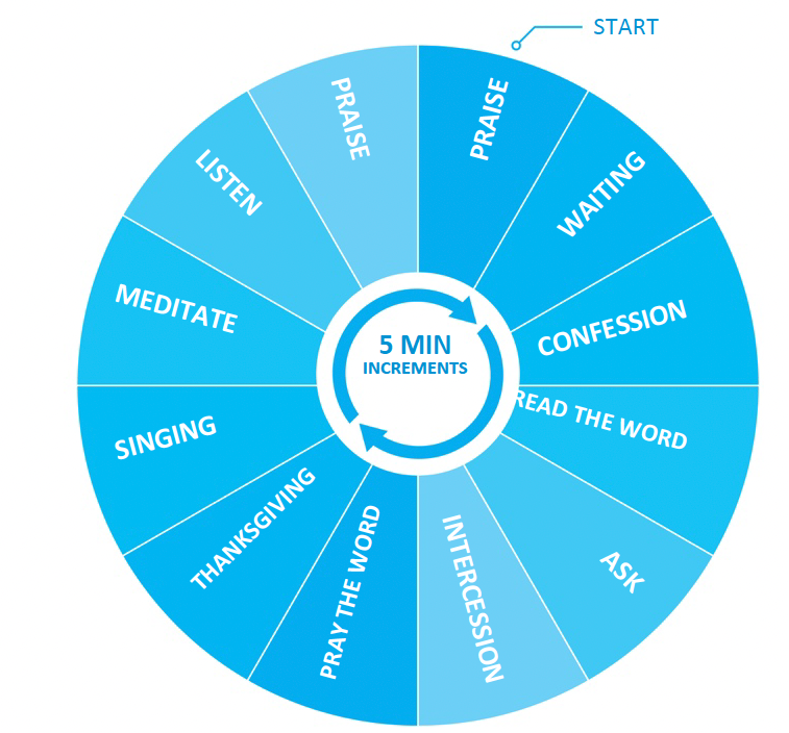
  1. This is a guided pattern for spending an hour in prayer. It is helpful to enable people to understand various aspects of prayer and to increase their capacity for prayer. The intention is to spend five minutes on each segment.
  1. Praise: Start your prayer hour by praising the Lord. Praise Him for things that are on your mind right now. Praise Him for one special thing He has done in your life in the past week. Praise Him for His goodness to your family.
  2. Wait: Spend this time waiting on the Lord. Be silent and let Him pull together reflections for you.
  3. Confess: Ask the Holy Spirit to show you anything in your life that might be displeasing to Him. Ask Him to point out attitudes that are wrong, as well as specific acts for which you have not yet made a prayer of confession. Now confess that to the Lord so that you might be cleansed.
  4. Read the Word: Spend time reading in the Psalms, in the prophets, and passages on prayer located in the New Testament.
  5. Ask: Make general requests on behalf of yourself and others.
  6. Intercession: Make specific requests on behalf of yourself and others.
  7. Pray the Word: Pray specific passages. Scriptural prayers as well as a number of psalms lend themselves well to this purpose.
  8. Thank: Give thanks to the Lord for the things in your life, on behalf of your family, and on behalf of your church.
  9. Sing: Sing songs of praise or worship or a hymn or spiritual song.
  10. Meditate: Ask the Lord to speak to you. Have a pen and paper ready to record the impressions He gives you.
  11. Listen: Spend time merging the things you have read, things you have prayed and things you have sung and see how the Lord brings them all together to speak to you.
  12. Praise: Praise the Lord for the time you have had to spend with Him and the impressions He has given you. Praise Him for His glorious attributes.
  1. Exercises for the Prayer Cycle
  1. Journaling: Keep a journal where you write down thoughts and reflections during each part of the cycle. This helps track growth and recognize answered prayers.
  2. Prayer Partners: Pair members to meet once a week to practice praying through the cycle together. This helps build confidence in prayer.
  3. PRACTICE: Spend an hour praying through the Prayer Cycle.

This lesson was provided by Joshua Nations (JoshuaNations.org).

93623.9 Lesson 9. Worship Life of the Disciple

I. INTRODUCTION

  1. Worship as the Posture of a Disciple
  1. Worship is far more than music or a segment of a church service—it is the lifestyle, attitude, and identity of every true disciple of Jesus. Worship is our response to who God is and what He has done, expressed through love, obedience, and awe.
  1. Key Scripture:
  1. “Therefore, I urge you, brothers and sisters… to offer your bodies as a living sacrifice, holy and pleasing to God—this is your true and proper worship.” —Romans 12:1
  2. As disciples who are called to know Christ and make Him known, our worship must go beyond Sunday and into everyday life. Worship fuels intimacy with God, aligns our hearts with His will, and overflows into fruitful mission.

II. BIBLICAL FOUNDATIONS OF WORSHIP

  1. Worship is a Lifestyle
  1. Worship in Scripture is not limited to rituals or music. It is seen in obedience (Genesis 22:5), sacrifice (Romans 12:1), gratitude (Psalm 100), and justice (Amos 5:23-24).
  2. True worship involves loving God with all your heart, soul, mind, and strength (Mark 12:30).
  1. Jesus Modeled Worship
  1. Jesus often withdrew to solitary places to worship the Father in prayer and intimacy (Luke 5:16).
  2. In the wilderness (Matthew 4), Jesus responded to Satan’s temptation with worshipful loyalty to God: “You shall worship the Lord your God and Him only shall you serve.”
  1. The Disciple’s Daily Worship Life
  1. Worship is both intentional and spontaneous. It can be practiced individually and corporately, in joy and in sorrow, in words and in silence. For example, a disciple may choose to set aside time in the morning to sing praises or read a Psalm as a form of intentional worship. Later, during a moment of awe at a sunset or in response to an answered prayer, spontaneous worship may arise in the form of thanksgiving or a whispered prayer of praise.

III. DAILY RHYTHMS OF WORSHIP

  1. Morning Devotion: Begin the day with adoration—read a Psalm, sing or journal your praise.
  2. Gratitude Moments: Pause throughout your day to give thanks—after meals, during walks, after meetings.
  3. Evening Reflection: End the day in worshipful surrender—reflect, confess, and express love to the Lord.

IV. PRACTICAL WAYS TO LIVE A WORSHIP LIFE

  1. Scripture Reading: Read to encounter God. Ask, “What does this reveal about God’s nature?”
  2. Worship Music: Use songs that exalt God. Let music lead you into reflection or celebration.
  3. Prayer and Fasting: Fast as an act of surrender. Focus on God’s voice during fasts.
  4. Work as Worship: View your labor as unto the Lord (Colossians 3:23).

V. WORSHIP AND IDENTITY

“God is spirit, and those who worship him must worship in spirit and truth.” — John 4:24

  1. Identity Before Activity Many leaders operate out of drivenness. But true worship flows from identity, not productivity.
    1. You are a worshiper before you are a worker. You are a son or daughter before you are a leader.
  2. The Worshipping Leader
  3. Leaders must model worship, not just teach it. As Worship Life of the Leader notes, worship grounds leaders in humility and dependence.
  4. Daily worship aligns your will with the Father’s and renews your spirit for healthy leadership and multiplication.

VI. WORSHIP AS WARFARE

Worship is a powerful weapon against spiritual darkness. This is because worship centers our hearts on God’s truth and authority, dethroning the lies of the enemy and ushering in the presence of God, where darkness cannot remain. When we exalt God, we displace fear, anxiety, and lies from the enemy.

  1. Examples in Scripture:
  1. Jehoshaphat’s Army (2 Chronicles 20): Worshipers were placed at the front. As they praised, God routed the enemy.
  2. Paul and Silas in Prison (Acts 16:25-26): Worship broke chains and opened doors—literally.
  1. How to Use Worship as Warfare
  1. Declare God’s character aloud when under attack.
  2. Play worship music over your home during times of tension.
  3. Replace complaining or worrying with praise.

VII. WORSHIP AND MULTIPLICATION

Worship is not just personal—it’s contagious. When a disciple lives a life of joyful, authentic worship, it attracts others to Jesus.

  1. Worship as Witness
  1. A worshipful heart displays peace in chaos, joy in suffering, and love in difficult places.
  2. Train your disciples to develop their own worship rhythms.
  1. Worship in the Disciple-Making Environment
  1. Open every training or group with worship.
  2. Encourage new believers to write their own songs or prayers.
  3. Practice spontaneous worship in gatherings.
  1. Questions for Personal Reflection and Practice
  1. Is my worship life limited to Sundays or is it a daily rhythm?
  2. Do I view my work, parenting, and relationships as acts of worship?
  3. When under spiritual pressure, do I worship or worry?
  4. How can I lead others into deeper intimacy with God through worship?

VIII. CONCLUSION: WORSHIPERS WHO MULTIPLY

Discipleship that does not flow from worship will eventually dry up or become mechanical. Worship is the wellspring—it refreshes, realigns, and revives us. As you grow in your disciple-making calling, let worship be your anchor and your overflow. Worship and mission are not two separate callings—they are one. You are a worshiper who multiplies.


This lesson was provided by Joshua Nations (JoshuaNations.org).

93623.6 Lesson 6. Freedom Ministry

I. INTRODUCTION: WHAT IS FREEDOM MINISTRY?

  1. Definition: Freedom Ministry is the process of helping individuals break free from spiritual, emotional, and psychological bondage that prevents them from experiencing the fullness of life in Christ. It involves identifying strongholds, lies, and areas of captivity that need to be surrendered to God, receiving healing, and walking in the authority Jesus gives us over sin and spiritual oppression.
  2. Jesus’ Mission of Freedom: In Luke 4:18, Jesus declared His mission: “The Spirit of the Lord is on me… He has sent me to proclaim freedom for the prisoners and recovery of sight for the blind, to set the oppressed free.” Freedom is at the heart of the Gospel—Jesus came to liberate us from sin, oppression, and bondage.
  3. Wholeness in Christ: Freedom Ministry addresses every aspect of a person’s life—spiritual, emotional, mental, and relational—helping them experience the wholeness Jesus offers. John 10:10 tells us that Jesus came so that we may have life to the full.
  4. Equipping Disciples for Growth: Before someone can fully step into their calling as a disciple-maker, they need to experience personal freedom. Sin, wounds, and lies hold people back from becoming the disciples God intended them to be.
  5. Restoring Identity: One of the primary purposes of Freedom Ministry is helping individuals understand their identity in Christ. When people are trapped in bondage, they often believe lies about themselves, others, and God. Freedom Ministry seeks to replace these lies with the truth of God’s Word.

II. FIVE OPEN DOORS FOR THE DEMONIC

  1. Unforgiveness: (Ephesians 4:32) Holding onto wrongs that someone did against you. Unwilling or unable to forgive. Making no allowance for error or weakness. It’s like drinking poison and thinking it will harm another person. Jesus teaches that we must forgive to be forgiven (Matthew 6:14-15).
  2. Sins of the Fathers: (Exodus 34:7) Sins committed by previous generations can carry over until broken through confession and renunciation. This includes patterns like addiction, anger, divorce, or idolatry.
  3. Word Curses: (James 3:1-10) Words spoken with some form of spiritual authority. Negative declarations can bind a person spiritually and manifest in the physical. Example: Saying, “I’ll never be good enough” invites defeat.
  4. Root Spirits: Scripture identifies specific spirits that seek to influence. When given a foothold, they seek to fill the Holy Spirit’s place and produce bad fruit, infecting others.
  • Spirit of Anti-Christ (1 John 4:3)
  • Spirit of Death (1 Cor. 15:26)
  • Spirit of Error (1 John 4:6)
  • Spirit of Divination (Acts 16:16)
  • Spirit of Lying (1 Kings 22:22)
  • Spirit of Haughtiness (Proverbs 16:18)
  • Spirit of Bondage (Rom. 8:15)
  • Spirit of Stupor (Rom. 11:8)
  • Spirit of Whoredom (Hosea 4:12)
  • Spirit of Heaviness (Is. 61:3)
  • Spirit of Deaf & Dumbness (Mark 9:25)
  • Spirit of Infirmity (Luke 13:11)
  • Spirit of Perversity (Rom. 1:26)
  • Spirit of Fear (2 Tim. 1:7)
  • Spirit of Jealousy/Rage (Numbers 5:14)
  1. Soul Spirit Hurts: Emotional pain or trauma that is left unresolved provides the enemy with access to influence the wounded areas of one’s life.

III. UNHEALTHY SOUL TIES

Soul ties refer to deep emotional or spiritual connections formed through close relationships, particularly romantic or sexual ones. These bonds, if unhealthy or improper, can hinder a person’s emotional and spiritual freedom. It is crucial to break these unhealthy ties to walk in true freedom.

  1. Healthy Soul Ties in the Bible:
  1. David and Jonathan (1 Samuel 18:1-3)
  2. Ruth and Naomi (Ruth 1:16-17)
  3. Jesus and His Disciples (John 15:15)
  4. Paul and Timothy (2 Timothy 1:2-5)
  1. Unhealthy Soul Ties in the Bible:
  1. Samson and Delilah (Judges 16:4-21)
  2. Amnon and Tamar (2 Samuel 13:1-15)
  3. Solomon and His Foreign Wives (1 Kings 11:1-4)
  4. Ahab and Jezebel (1 Kings 16:30-33)
  1. Biblical Marriage Soul Tie Context:
    In Genesis 2:21-24, the phrase “they shall become one flesh” describes the sacred covenant between a man and a woman in the sight of God. Marriage is meant to be a blessing, symbolizing unity. However, many have entered this covenant with multiple people or have formed ties with idols, as seen in Genesis 16:1-4. These unhealthy attachments must be addressed.

IV. EXERCISE: BREAKING UNHEALTHY SOUL TIES

  1. Group Separation: Divide participants into male and female groups.
  2. Personal Reflection: Have participants write down the names of those with whom they’ve formed inappropriate or unhealthy connections.
  3. Prayer for Healing: Lead a prayer to break these soul ties, asking God for healing and restoration.
  4. Marital Repentance: Bring married couples together for a time of repentance and forgiveness.
  5. Symbolic Release: Allow participants to burn their lists as a symbolic act of declaring freedom from these bonds.
  6. Renewal: Instruct them to take communion as a remembrance and renewal of their covenant with God.
  7. Marital Renewal: Instruct participants as they return home to take communion again, committing their marriage to God. Then, they should re-establish their covenant with each other.

This lesson was provided by Joshua Nations (JoshuaNations.org).

93623.7 Lesson 7. Bible Study Methods

I. HOW TO APPROACH THE BIBLE

  1. The Bible is Inspired by God
  1. Definition of Inspiration: The Bible is not just a collection of human writings; it is inspired by God. In 2 Timothy 3:16, Paul writes that all Scripture is “God-breathed.” This means that God guided the authors through the Holy Spirit to write His words for us.
  2. Authority of Scripture: Because the Bible is God-breathed, it carries His authority. When we read Scripture, we are not just reading words of ancient wisdom—we are reading God’s direct communication to humanity.
  3. Impact of Scripture: God’s Word is living and active (Hebrews 4:12). It not only teaches and informs but also transforms our hearts and minds.

II. THE TIMELESSNESS OF THE BIBLE

  1. Relevant Across Generations: The Bible was written over a span of 1,500 years, by over 40 different authors, in different cultural and historical contexts. Despite this diversity, it presents a unified message that transcends time and culture. Its teachings are applicable to every person in every era.
  2. Scripture as a Mirror: James 1:23-25 describes Scripture as a mirror that shows us our true selves. As we read it, we see areas of our lives that need transformation, and we receive the power to change through God’s help.
  3. Timeless Promises: Many of God’s promises in the Bible apply to us today. When we approach the Bible, we can hold onto these promises, knowing that God’s Word never fails (Isaiah 40:8).

III. PERSONAL CONNECTION WITH GOD THROUGH SCRIPTURE

  1. God’s Letter to Us: The Bible is more than just a book of laws or moral guidelines—it is God’s personal letter to us. It reveals His love, His character, and His desire for a relationship with each of us.
  2. Hearing God Speak: In John 10:27, Jesus says, “My sheep hear my voice; I know them, and they follow me.” One of the primary ways we hear God’s voice is through the Bible. As we read His Word, we learn to recognize His voice and follow His leading.
  3. Knowing God’s Heart: Each book of the Bible reveals different aspects of God’s character. In the Psalms, we see His compassion and care. In the Gospels, we see His humility and love through Jesus. In Revelation, we see His power and majesty. To truly know God, we must immerse ourselves in His Word.

IV. STEPS FOR STUDYING THE BIBLE (INDUCTIVE METHOD)

  1. Step 1: Pray for Guidance
  1. Begin by acknowledging that the Holy Spirit is the author of Scripture, and ask Him to teach and guide you.
  2. Before opening your Bible, ask God to help you understand what you’re about to read. Pray for insight, clarity, and the guidance of the Holy Spirit. In John 16:13, Jesus says that the Holy Spirit will guide us into all truth.
  1. Step 2: Observation
  1. Read: You study the scriptures as a diligent student (2 Timothy 2:15). As you study, you read thoughtfully and meditatively (Psalm 1:2). This is where you: Think it over, think it out, think it through, and write it out.
  2. Ask: “What does the passage say?” Look for key phrases, repetition, characters, settings, and relationships. Look for the who, what, when, where, how, and why of the passage.
  3. Exercise: Take a short passage, like John 15:1-8. Identify repeated words such as “abide,” “fruit,” and “vine.”
  1. Step 3: Interpretation
  1. Ask: “What does this mean?” Consider the historical and cultural context. For instance, what was the significance of a vine in Jesus’ time?
  2. Tools for Interpretation: You may not have access to a study Bible, commentaries, or Bible dictionaries. Remember these truths and consult trusted sources and mentors if you’re wrestling with an interpretation. (Psalm 119:33-40, 2 Timothy 3:16-17)
  1. Read the text and lift out the truths that are there.
  2. Do not bring ideas, thoughts, or opinions and put them into the text.
  3. The law of context rules – Always read what comes before and after.
  4. Scripture interprets Scripture. Read the Bible over and over, and you will find that Scripture itself gives the meaning of a text. Seek the full counsel of the word of God.
  5. Scripture will not contradict scripture.
  6. Interpret scripture literally. It usually means what it says so look for the clear meaning.
  1. Step 4: Application

  1. Ask: “How does this apply to me?” Write down specific actions, attitudes, or changes that need to be implemented.
  2. Exercise: From John 15, write down how you can “abide in Christ” in your daily life—such as setting aside time for prayer, obeying His commands, and practicing gratitude.
  1. Twelve Application Questions about the text: 2 Tim 3:16-17
  1. Is there an attitude to adjust?
  2. Is there a promise to claim?
  3. Is there a priority to change?
  4. Is there a lesson to learn?
  5. Is there an issue to resolve?
  6. Is there a command to obey?
  7. Is there an activity to avoid?
  8. Is there a truth to believe?
  9. Is there an idol to tear down?
  10. Is there an offense to forgive?
  11. Is there a new direction to take?
  12. Is there a sin to confess?

V. GROUP STUDY PRACTICE

  1. Group Activity: Form groups of 3-4, choose a passage (e.g., Luke 10:25-37, the Parable of the Good Samaritan), and go through observation, interpretation, and application together.
  2. Facilitator’s Role: The facilitator should ensure everyone contributes to the discussion, helping participants see how the Word applies to their lives.

This lesson was provided by Joshua Nations (JoshuaNations.org).