38704 Overview Mark

Mark demonstrates that Jesus is Israel’s Messiah who inaugurates God’s kingdom through his suffering, death, and resurrection.

The Gospel of Mark is a carefully crafted story that gives an account of Jesus’ life and addresses the question of whether or not He is the Jewish Messiah.

An unexpected king

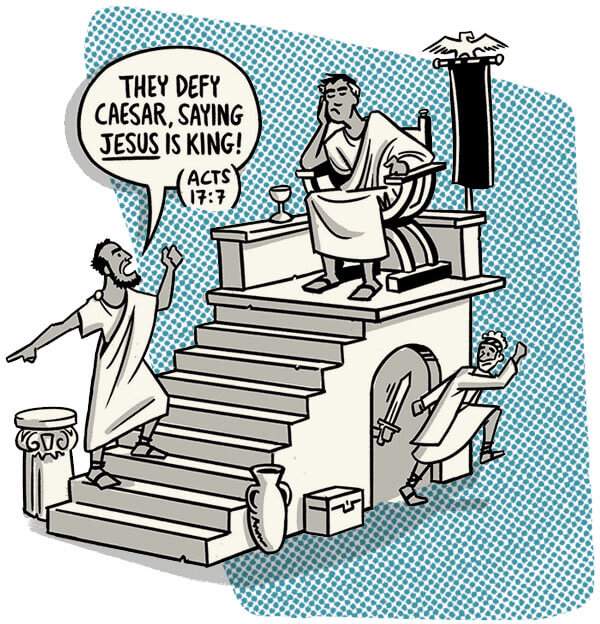
In the first half, everyone questions who He is, the middle questions the disciples’ belief about Him, and the second half tells how He became the Messiah. Many Jews hoped that the Messiah would overthrow the Romans and rule as king, but as we read this book, we see that He came as a servant to set up the kingdom of God on earth. While He is the Son of God, He also sacrificed His life to save people from slavery to sin. The book’s abrupt ending challenges us to decide if we believe He is the Messiah.

38706 Overview: John Ch. 13-21

The Son of God

Not only is Jesus the Messiah, but He’s also the Son of God who gives eternal life to everyone who believes on His name. We see this reality through the signs and miracles He performs, and seven times He answers “I Am” when people question His identity.

He also uses His time on earth to introduce people to the new birth. By believing that He is the Messiah and God’s son, they have eternal life and freedom from sin and are empowered to perform radical acts of kindness, generosity and selfless love as they listen to His voice and obey Him.

38708 Overview: Luke Ch. 10-24

A kingdom for all

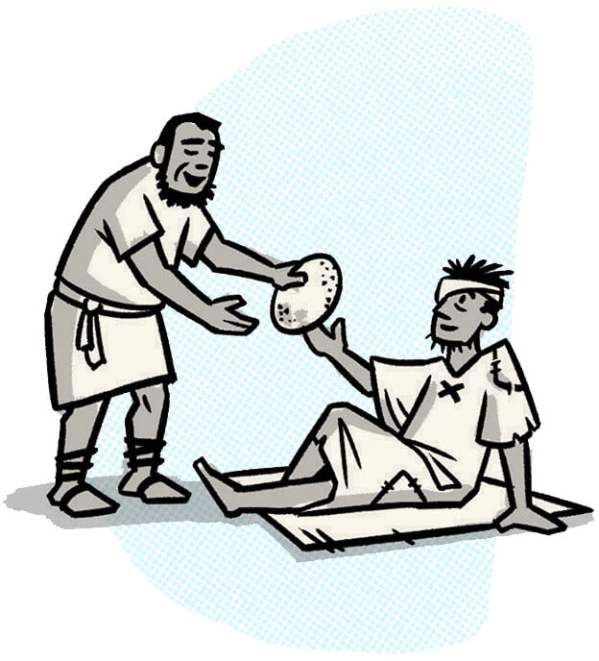
Luke documents how Jesus expands God’s kingdom and covenant by creating a new Israel that includes the poor, outcasts and others to whom Jesus brings restoration and reverses their life circumstances as He gives them freedom and release from the tyranny of evil and sin.

Throughout the book, we see that Jesus is indeed the messianic king, but He will reign over Israel by suffering. His actions usher in an upside down kingdom marked by self-giving love, and He challenges his disciples to follow His example and share in His ministry.

38710 Overview: Acts Ch. 13-28

Holy Spirit Power

Jesus’ followers received the Holy Spirit on Pentecost and became filled and equipped to spread the good news that would restore God’s kingdom over the world. Through persecution, the believers were scattered. They continued to preach, and the church at Antioch was born.

It grew into the first multiethnic, international church from which missionaries were sent throughout the world to preach about Jesus, the messianic Messiah and risen king of all nations. Paul even continued to preach despite imprisonment and wrote important letters to the churches.

38712 Overview: Romans Ch. 5-16

Paul’s Magnus Opus

The people of Israel tried to obey God and follow the Law, but they didn’t succeed. Only faith in Jesus’ death and resurrection can justify humanity and fulfill God’s promise to create a covenant relationship with His people, the descendants of Abraham.

Through Jesus, God creates a new covenant family that includes Jews and gentiles who are unified as they love and forgive each other. Even though people continue to reject Jesus, God uses their rejection to expand His family and grow the Church.

38713 Overview: 1 Corinthians

Paul shows the new Christians in Corinth that all of life’s most complex problems can be seen through the lens of the gospel.

1 Corinthians challenges believers to examine every area of life through the lens of the gospel. Specifically, Paul addresses divisions, food, sex, worship gatherings, and the resurrection.

Not about being popular

He reminds believers that the Church is not a popularity contest, followers of Jesus cannot compromise when it comes to sexual integrity, the core principle of worship gatherings is love for others, and the resurrection gives us a reason for unity, motivation to maintain sexual purity, ability to love other people more than ourselves and ultimate hope for victory over death.

Our belief that Jesus was raised from the dead makes the gospel more than moral advice or a recipe for private spirituality. It opens a whole new reality for every area of our life.